

Blog
Healthy Indian Meals for Every Season

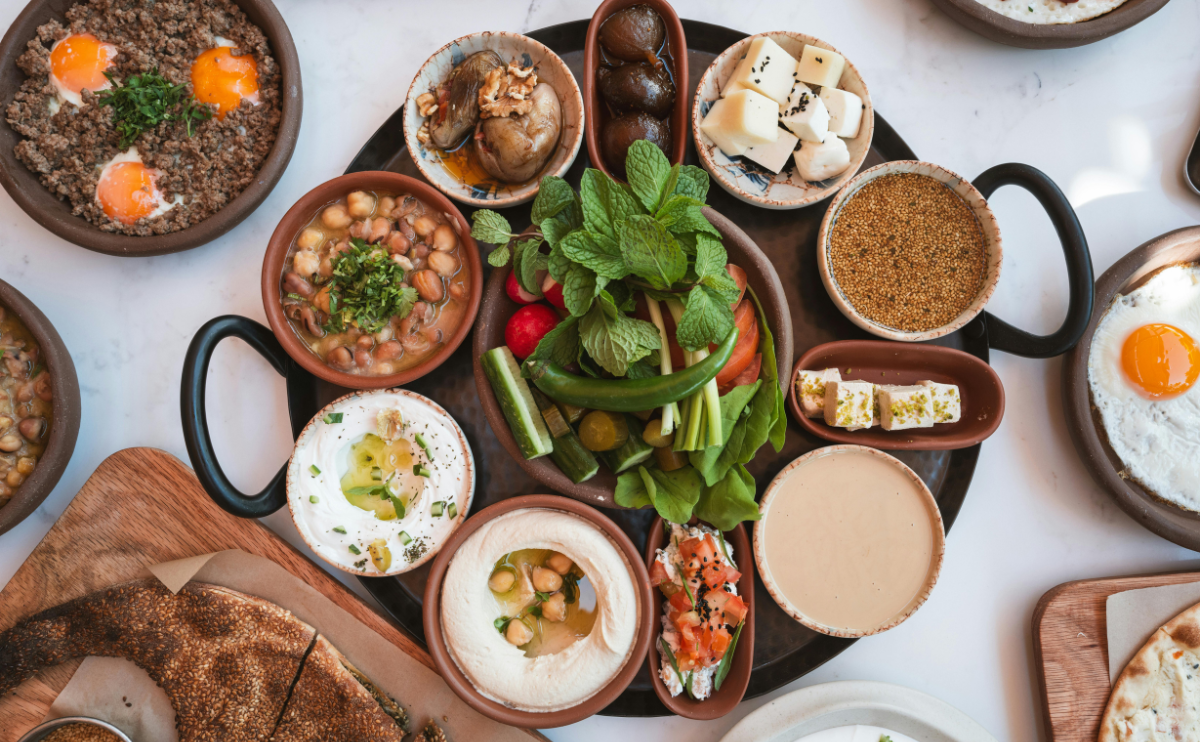
Indian cuisine is renowned for its diversity, vibrant flavors, and aromatic spices. But beyond taste, many traditional Indian meals are packed with nutrition, thoughtfully designed to suit each season. From the warmth of winter curries to the light, cooling foods of summer, eating seasonally not only pleases the palate but also promotes health and well-being. At Sampurna Restaurant, we believe in celebrating the bounty of every season with meals that are both delicious and nourishing.
Why Eating Seasonally Matters
Eating seasonally means choosing ingredients that are naturally available at a given time of the year. Seasonal foods tend to be fresher, more flavorful, and nutritionally superior. In India, the change of seasons brings a natural rhythm to food consumption: hot and warming foods in winter, light and cooling dishes in summer, nutrient-rich meals during the monsoon, and fresh produce in spring and autumn. This traditional wisdom, passed down through generations, helps the body maintain balance, supports digestion, and boosts immunity.
Spring: Fresh and Revitalizing
Spring is a time of renewal, and the body benefits from fresh, light, and detoxifying foods. Leafy greens, sprouts, tender vegetables, and fresh fruits are abundant during this season. At Sampurna Restaurant, we highlight dishes like Moong Sprout Salad, Palak Paneer with Fresh Spinach, and Mixed Vegetable Stir-Fry. These meals are light, packed with vitamins and minerals, and help the body shed the sluggishness of winter. Adding a hint of ginger or black pepper enhances digestion, keeping you energetic and revitalized.
Summer: Cooling and Hydrating
Summer in India can be intense, and the body needs foods that cool and hydrate. Traditional Indian meals for summer often include cucumbers, watermelon, buttermilk, and fresh coconut water. Dishes like Cucumber Raita, Chaas (spiced buttermilk), and Coconut Rice are perfect for this season. These meals not only provide relief from heat but also prevent dehydration and maintain electrolyte balance. At Sampurna Restaurant, we focus on fresh, minimally cooked dishes during summer, preserving natural flavors and nutrients, making each bite both refreshing and nourishing.
Monsoon: Strengthening Immunity
The monsoon season brings dampness and a higher risk of seasonal illnesses. This is the perfect time for warm, lightly spiced meals that strengthen immunity and support digestion. Seasonal vegetables like bottle gourd, ridge gourd, and drumsticks are ideal for monsoon dishes. Meals like Lauki Dal, Vegetable Khichdi, and Spiced Herbal Teas provide comfort while keeping the immune system strong. At Sampurna Restaurant, we carefully balance spices like turmeric, cumin, and ginger in our monsoon dishes to enhance their protective qualities without overwhelming the palate.
Autumn: Balancing and Nourishing
Autumn is a transitional season, and the body benefits from meals that are both nourishing and grounding. Root vegetables like carrots, beets, and sweet potatoes, along with pulses and grains, are perfect for this season. Dishes like Gajar Halwa, Beetroot Paratha, and Mixed Dal with Seasonal Vegetables offer warmth and sustenance. At Sampurna Restaurant, we focus on wholesome, fiber-rich meals during autumn to maintain energy levels, support digestion, and prepare the body for the colder months ahead.
Winter: Warming and Comforting
Winter is the season for hearty, warming meals that provide energy and comfort. Spices like cinnamon, clove, black pepper, and cardamom are naturally warming, while slow-cooked dals, curries, and rich vegetables nourish the body. Popular winter dishes at Sampurna Restaurant include Dal Makhani, Gajar Halwa, and Vegetable Pulao with Seasonal Roots. These meals not only keep you warm but also provide essential nutrients and maintain body balance in the colder months.
Tips for Eating Healthy Indian Meals Year-Round
- Incorporate Seasonal Produce: Fresh, locally sourced vegetables and fruits are always more nutritious and flavorful.
- Balance Flavors: Traditional Indian meals balance sweet, sour, bitter, salty, pungent, and astringent tastes, which is good for overall health.
- Moderate Spices: Use spices to enhance digestion and immunity without overpowering the natural taste of ingredients.
- Include Whole Grains and Pulses: Rice, millets, wheat, lentils, and legumes provide protein, fiber, and energy throughout the year.
- Mindful Cooking Methods: Steaming, light sautéing, slow cooking, and minimal frying preserve nutrients and promote better health.
Why Seasonal Indian Meals Are Soulful Too
Healthy meals are not just about nutrients—they are also about experience, connection, and comfort. Eating seasonally encourages a deeper appreciation for fresh ingredients, natural flavors, and traditional recipes. At Sampurna Restaurant, we aim to create meals that satisfy both your taste buds and your body’s seasonal needs. Each dish is prepared with care, balancing health and flavor, so that every meal feels wholesome, comforting, and energizing.
Conclusion
Eating healthy doesn’t have to be boring or complicated. Indian cuisine offers a wide variety of dishes that cater to every season, combining nutrition, flavor, and tradition. By choosing seasonal ingredients and mindful cooking methods, you can enjoy meals that nourish your body, support your immunity, and delight your senses all year long. At Sampurna Restaurant, we take pride in offering dishes that celebrate every season, making healthy eating a joyful and flavorful experience.
So come visit us, explore our seasonal menu, and let your taste buds enjoy the goodness of India, one healthy meal at a time.